
IPO Planning for Tech Employees: RSUs, Stock Options, Taxes, and What to Do Before a Liquidity Event
Preparing for an IPO? Learn how RSUs, stock options, taxes, lockups, and diversification affect tech employees during major liquidity events.

IPO Planning for Tech Employees: What to Do Before a Liquidity Event
For many tech professionals, an IPO is a once-in-a-career financial moment.
If you hold stock options, RSUs, or early equity in a company preparing to go public, the transition from private shares to public stock can create life-changing wealth — but also a surprising amount of complexity.
Over the years, I’ve worked with engineers and early employees who experienced IPO windfalls. The opportunity is extraordinary. But the financial planning challenges often arrive faster than expected.
In many cases, the most expensive mistakes are not dramatic. They’re quiet — and avoidable with a little planning ahead of time.
Common Financial Surprises Around IPOs
Even highly sophisticated professionals can be caught off guard by a few common issues.
1. RSU Tax Shortfalls
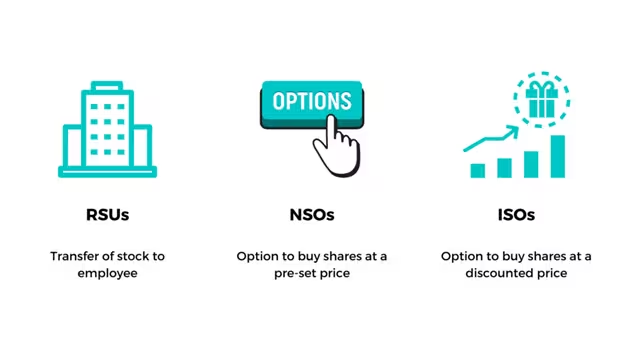
When RSUs vest after an IPO, taxes are typically withheld automatically.
The problem is that the default withholding rate is often far below the actual tax liability for high earners in California.
This can leave employees with a significant tax bill the following April.
2. AMT Exposure from ISO Exercises
Employees who exercised Incentive Stock Options (ISOs) before an IPO may face unexpected Alternative Minimum Tax (AMT).
In certain scenarios, the AMT bill can arrive before shares are even liquid.
3. Lockups and Trading Window Restrictions
Most IPOs include lockup periods — often around 180 days — when insiders cannot sell shares.
Even after the lockup expires, trading windows, blackout periods, and company policies can limit when you are able to sell.
Planning liquidity ahead of time becomes essential.
4. Concentration Risk
One of the most common challenges after an IPO is holding a large percentage of net worth in a single stock.
It’s understandable. The company helped create the wealth.
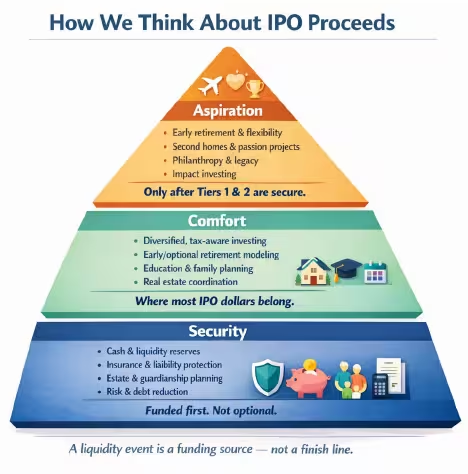
But long-term financial security usually requires a thoughtful diversification strategy over time.
Planning Ahead Matters
The months surrounding an IPO often move quickly.
Decisions about exercising options, selling shares, paying taxes, and managing liquidity can have multi-million-dollar consequences.
Thoughtful planning ahead of the event can help address questions such as:
- How much tax might be owed when shares vest or options are exercised?
- Should any options be exercised before or after the IPO?
- When does it make sense to sell shares after a lockup period?
- How much exposure to a single stock is appropriate long-term?
Every situation is different. But having a clear framework in advance can help avoid rushed decisions during a volatile period.
Final Thought
An IPO can create extraordinary opportunity.
But it also introduces complex tax rules, timing decisions, and portfolio considerations that many employees haven’t encountered before.
If you’re a current or former employee of a company preparing to go public and you’re thinking through how the event might affect your taxes, stock options, or long-term financial plan, it’s worth having a conversation before the IPO arrives.
Planning early can make a meaningful difference.
Disclosure
This material is provided for informational purposes only and should not be construed as personalized investment, tax, or legal advice.
Equity compensation planning involves complex tax considerations. Individuals should consult their tax advisor, CPA, or financial advisor regarding their specific circumstances before making decisions related to stock options, RSUs, or other equity awards.
Collabria Capital Inc. is a Registered Investment Adviser. Registration does not imply a certain level of skill or training. Additional information about Collabria Capital, including our Form ADV disclosure documents, is available upon request.

Browse More Blogs
Explore additional blog posts on tax strategy, equity compensation, retirement planning, and coordinated financial decisions designed for complex financial lives.

.avif)















Book a Free Assessment Today
A quick, no-pressure call to talk through your goals and what you’re navigating—then we’ll recommend the best next step.
Our calls are always stress and pressure free—guaranteed!